Payments
Cross-Border QR Payments in 2026: How Pix, UPI, and QRIS Are Connecting the World
Tourists can increasingly pay with their home app by scanning a local QR code. Learn how UPI, Pix, QRIS, and ASEAN links work, what Project Nexus means, and how merchants should prepare.
Back to blogCross-Border QR Payments in 2026: How Pix, UPI, and QRIS Are Connecting the World
Introduction
For years, QR payments were a local story. Brazilians paid with Pix, Indians with UPI, Thais with PromptPay, and each system stopped at the border. In 2026 that is changing fast. National QR payment networks are being linked together so that a traveler can scan a merchant’s local QR code and pay directly from the app they use at home.
The numbers explain why governments and central banks are paying attention. India’s UPI had around 555 million onboarded users by June 2026, according to figures the Indian government gave Parliament, and it is already accepted in a growing list of overseas markets. In Brazil, 148 million people made or received at least one Pix payment in 2025, according to Brazil’s Finance Ministry. India and Indonesia are working to connect UPI and QRIS by the end of 2026, and Southeast Asia already has a network of bilateral QR links between national schemes.
This guide explains how cross-border QR payments work, what is happening in each region, and what merchants, from small shops to hotel chains, should do about it.
How a Cross-Border QR Payment Works
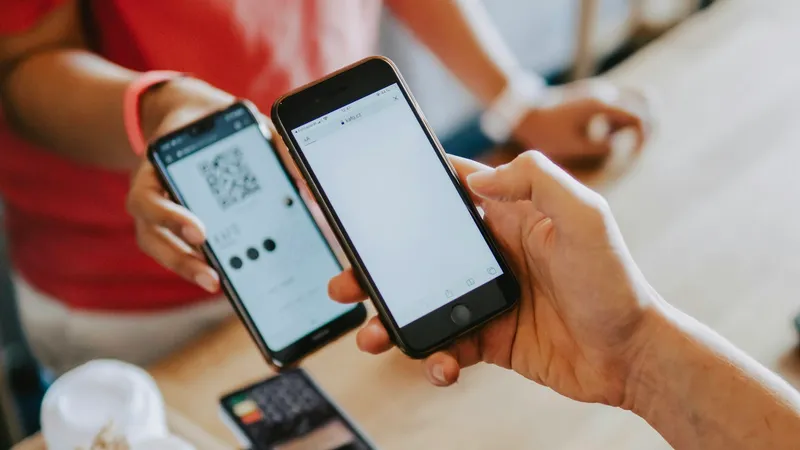
From the customer’s point of view, it is simple:
- The tourist opens their home banking or wallet app.
- They scan the merchant’s local QR code.
- The app shows the amount in both currencies with the exchange rate.
- The customer confirms, and the merchant receives local currency.
Behind the scenes, the two national payment systems are connected, either through a bilateral link (country A to country B) or through a multilateral hub that connects many systems at once. The QR codes themselves usually follow the EMVCo merchant-presented QR standard, which makes it easier for apps in different countries to read them.
The big advantage over cards: lower fees for merchants, fewer intermediaries, and often better exchange rates for travelers.
What Is Happening Region by Region
India: UPI Goes Global
UPI is the world’s largest real-time payment system by transaction volume, with nearly half of global real-time payment volume according to ACI Worldwide data. Its international expansion includes the UPI–PayNow link with Singapore, one of the first real-time connections between two instant payment systems, and acceptance in a growing list of markets frequented by Indian travelers. Other countries, including Kazakhstan, are studying UPI as a blueprint for their own cross-border QR payments.
Indonesia and India: QRIS Meets UPI
The two countries are targeting completion of their QRIS–UPI integration by the end of 2026. Once live, Indonesian travelers could pay at UPI QR codes in India and Indian visitors could scan QRIS codes in Bali or Jakarta.
Southeast Asia: The Most Connected Region
Through the ASEAN payment connectivity agenda, national schemes such as PromptPay (Thailand), DuitNow (Malaysia), PayNow (Singapore), and QRIS (Indonesia) have been connected through a series of bilateral QR links. For travelers in the region, scanning a local QR code with a home app is becoming normal.
Project Nexus: A Hub Instead of Dozens of Bridges
Connecting every country to every other country one by one does not scale. Project Nexus, originally developed with the BIS Innovation Hub, aims to create a multilateral network that connects instant payment systems through a single hub. It is now run by Nexus Global Payments, set up in 2025 by the central banks of India, Malaysia, the Philippines, Singapore, and Thailand, with Indonesia joining in 2026. The partners are working towards a live launch; check their announcements for the current timeline.
Brazil: Pix at Home, Pix Abroad
Pix has transformed payments in Brazil, processing nearly 80 billion transactions in 2025, according to the Finance Ministry figures cited above. The next frontier is international: Brazilian tourists are a large market, and some payment providers already offer ways to pay abroad with Pix at merchants that accept it.
Europe: The EPC QR Code
In Europe, the equivalent for bank transfers is the EPC QR code (known in some countries as GiroCode), which pre-fills a SEPA credit transfer with the beneficiary’s name, IBAN, amount, and reference. It is common on invoices in several countries, such as Germany and Austria, and the format is designed for SEPA credit transfers, although support depends on each bank’s app.
What This Means for Merchants
1. Tourists Will Expect to Scan
In destinations popular with Asian and Latin American travelers, customers will increasingly look for a QR code at the till. Merchants who accept only cards may lose sales or pay more in fees.
2. Ask Your Payment Provider the Right Questions
- Which domestic and international QR schemes can you accept?
- Do you provide static QR codes (for the counter) and dynamic ones (with the amount pre-filled)?
- How and when is settlement paid, and in which currency?
- What are the fees compared with cards?
3. Display Accepted Schemes Clearly
Place the logos of the accepted schemes next to the QR code, the same way shops display card logos. Travelers need to know at a glance whether their app will work.
4. Protect Your Payment QR Codes
Payment QR codes are a favorite target for fraud. Criminals place stickers with their own code over the merchant’s code. Print codes directly on your stand or counter, check them daily, and train staff to confirm that payments arrive. Our quishing 2026 guide explains how to spot tampering.
5. Multi-Location Businesses Need Order
Hotels, restaurant groups, franchises, and market vendors often have many tills, rooms, or stalls. Each one may need its own code. If your payment provider gives you payment links or QR payloads for each location, you can turn the whole list into print-ready codes with a bulk QR code generator instead of creating them one by one. Always test each code with a small real payment before displaying it.
What This Means for Travelers
- Check before you travel whether your home app supports payments in your destination.
- Compare exchange rates: your app should show the rate before you confirm.
- Scan only codes presented by the merchant, preferably printed on the counter or shown on their terminal, not stickers in odd places.
- Confirm the merchant’s name on the payment screen before paying.
Conclusion
Cross-border QR payments are turning the QR code into a universal checkout. Links between UPI, QRIS, PayNow, PromptPay, and others are already live, multilateral hubs like Project Nexus are on the way, and Pix is looking beyond Brazil. For merchants, the opportunity is lower fees and new international customers. The responsibility is to display codes clearly, keep them secure, and stay organized across every location.
For more on local QR payments, read our guide to payment QR codes. And when you need QR codes for every till, table, room, or stall, MultipleQR lets you generate them all at once from a list and download them in a single ZIP, free.
Try it free
Ready to Create Your QR Codes?
Generate bulk QR codes instantly with MultipleQR.com. Free, unlimited, no registration required.